A look into the continuity and change throughout the tradition and meaning of makeup in the history of Cantonese Opera. Introduction Cantonese Opera, also known as Guangdong Drama, dates back to the reign of Emperor Jiajing (1522-1566) of the Ming Dynasty (Run Run Shaw Library, 2016). It is thought toContinue reading
Category: Asia
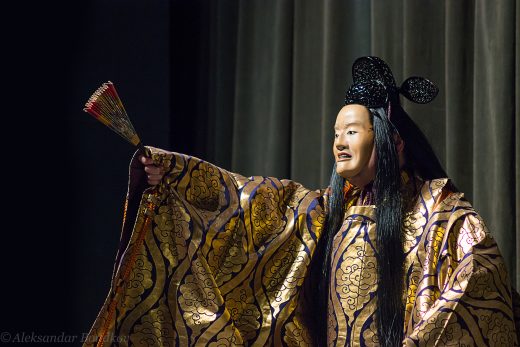
Noh: Past and Present
As the longest surviving theatrical form in the world, Japan’s noh theater has continued to entertain audiences since the 14th century. Noh is characterized by its masterfully crafted masks, elaborate costumes, and highly technical form.
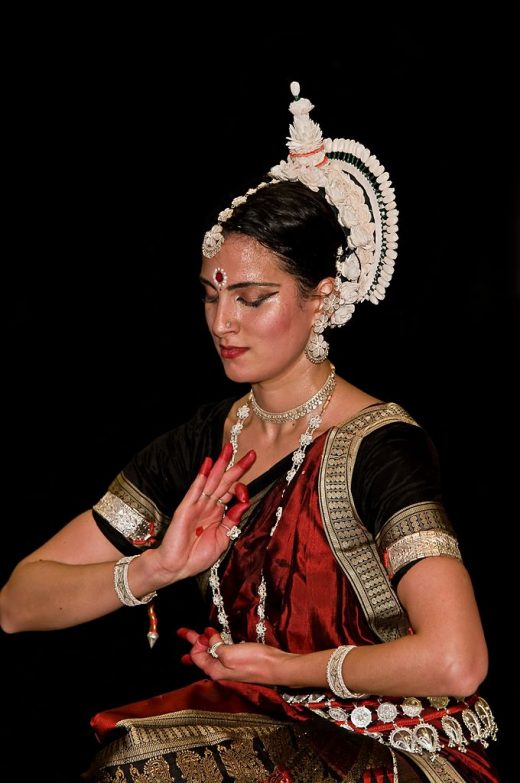
Mudras: The Gestural Language of Indian Theater and Dance
Mudras have been used in Indian theater and dance performance for centuries and have become a part of a larger culture of gestures through time. The process of the Mudra employs the body to explain and perform concepts in an easy to understand way, that is available to everyone in an audience.

A Play In Which Nothing Happens, Repeatedly
This page entails my creative project and the research that informed it. The play is allegorical to the experience of avant-garde/experimental playwrights in post-Mao China from 1976-1989, particularly the experience of Gao Xingjian. My research provides historical context for the play.
The Spectacle of Kabuki Theater in Japan
Originating in the beginning of the seventeenth century, during the Tokugawa era, Kabuki Theater has historically been an important part of Japanese culture. Kabuki engages with the audience to serve as both a source of entertainment and expression. Rooted in spectacle, Kabuki theater relies on shocking makeup and costumes to entertain their audiences.
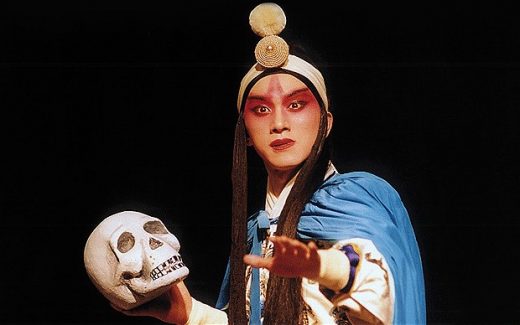
Shakespeare Performances in post-Cultural Revolution China
Overview According to a 2015 report from the British Council, the Chinese are more passionate about Shakespeare than the British and Hong Kongers. By tracing a historical line of Shakespeare’s development in China, this post investigates Shakespearean productions in China and their impact on Chinese communities as well as theContinue reading
The Indigenization and Transformation of Sarsuwela in the Philippines
Overview: Sarswela is the national theater genre of the Philippines. After a long, complicated history, Filipino sarsuwela became a unique style of musical theater that delved into the political struggles of the past in search for a better future. More modern plays continue to explore political and social problems inContinue reading
For and By Commoners: Bongsan Talchum – Korean Traditional Mask Dance
Synopsis: Bongsan Talchum is a type of Korean traditional mask dance that originated in Hwanghae Province, North Korea. This type of Korean musical theater is known for its humor centering on the satire of the upper class and portrayal of commoners’ life. History of Talchum Talchum, or mask dance, is aContinue reading
Evolution of jatra in Bengal
Overview: Jatra is a form of theater prevalent in eastern India and Bangladesh. This page will trace the effects of societal changes on this form of theatre. Jatra is a form of folk theater in the eastern parts of the Indian sub-continent (West Bengal, Odisha, Bangladesh, to name aContinue reading
The History of Beijing Opera as a National Chinese Art Form
Overview: Beijing (Peking) Opera is a Chinese art form that emphasizes Chinese culture through the medium of instruments, singing, and dancing. Beijing Opera became popular during the end of the Qing Dynasty in the 1800s and remained so until the Cultural Revolution of the 1960s, where it was condemned byContinue reading
